
Let me paint you a picture: It’s the week after Thanksgiving, you’re halfway through a leftover turkey sandwich, and your phone pings yet again—another ‘once-in-a-lifetime’ deal vying for your budget. I’ve been there, clutching my worn-out laptop in Hawaii, mentally adding up expenses while customers—overwhelmed from Black Friday blitzes—struggle to make sense of it all. Sales fatigue isn’t just a customer problem—it’s a salesperson’s headache, too. So why not lean in, embrace the mess, and find smart, human ways to break through the noise? Let’s talk strategies for real. You can Overcome Deal Fatigue with the right message.
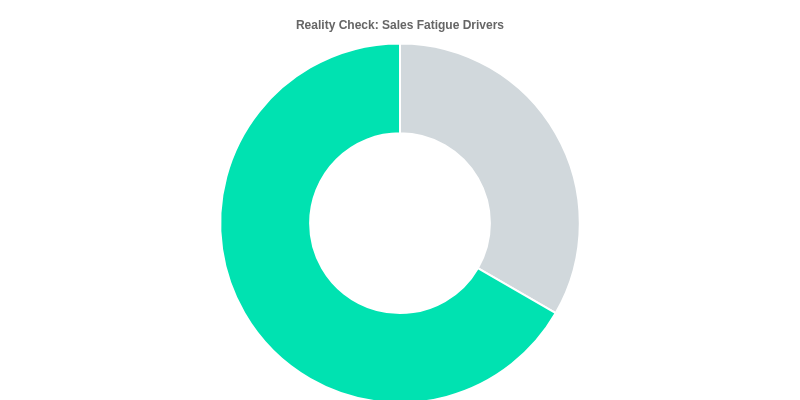
Reality Check: Sales Fatigue Is Real—for You AND Your Customers
Let’s talk honestly about what happens in the HVAC sales trenches during the holidays. If you’re like me, you’ve noticed that the end of the year brings a tidal wave of promotions—Black Friday, Cyber Monday, and every “limited-time” offer you can imagine. It’s not just a few emails; it’s an avalanche. Your inbox is bursting, your social feeds are packed, and everywhere you look, there’s another “can’t-miss” deal. This is the reality for both you and your customers, and it’s called deal fatigue.
The Holiday Deal Avalanche: Too Much of a Good Thing
Thanksgiving, Black Friday, and Cyber Monday all land within a few short weeks. Retailers know this is prime time, so they pile on the offers. According to recent data, holiday spending spikes dramatically during this period, but so does customer overwhelm. People are bombarded with choices, and the pressure to make the “right” decision can be paralyzing.
- Endless deals: Every brand is shouting for attention.
- FOMO (Fear of Missing Out): Customers worry they’ll miss the best price.
- Decision fatigue: Too many options lead to confusion and hesitation.
As an HVAC sales pro, you’re not immune to this. You’re working harder to stand out, but you’re also dealing with your own holiday stress—family, finances, and the pressure to hit year-end targets.
Customers Are Overwhelmed—And So Are You
It’s easy to forget that your customers are humans first. They’re juggling family drama, tight budgets, and the mental exhaustion that comes from constant decision-making. When you add in the stress of home repairs or HVAC upgrades, it’s no wonder people freeze up or push decisions off until “after the holidays.”
Here’s a real-world example from my own life: Just last week, my laptop died. Not a planned expense, but suddenly I was staring at an $800 bill. I remember thinking,
‘I didn’t want to drop 800 bucks on a laptop today, but I had to.’
That’s the kind of unexpected hit your customers feel when their furnace quits or their AC gives out—right in the middle of holiday chaos. They’re not just weighing your offer; they’re balancing it against every other demand on their wallet and attention.
Symptoms of Deal Fatigue: What to Watch For
Recognizing deal fatigue is one of the most important HVAC Sales Strategies you can master. Here’s what it looks like in the field:
- Confusion: Customers ask the same questions repeatedly, or struggle to compare offers.
- Indecision: They delay making a choice, even when the need is urgent.
- Buyer’s remorse: After committing, they second-guess themselves or try to back out.
- Short tempers: Stress leads to frustration—sometimes directed at you.
These aren’t just customer objections—they’re signs of overwhelm. And if you’re honest, you probably feel some of these symptoms yourself. That’s why it’s crucial to approach every conversation with empathy and patience. When you acknowledge the stress, you build trust. When you share your own stories—like my laptop saga—you humanize the sales process and make it easier for customers to relate.
Shared Stress: The Hidden Obstacle in HVAC Sales
One of the most overlooked HVAC Sales Tips is recognizing that deal fatigue affects both sides of the table. You’re not just selling a product or service; you’re helping someone navigate a stressful, confusing landscape. When you’re aware of your own stress and your customer’s, you can adjust your approach:
- Slow down your pitch—give customers time to process.
- Clarify value—help them distinguish real savings from hype.
- Be transparent—share your own experiences with holiday overwhelm.
In the end, business success during the holidays isn’t just about closing deals. It’s about cutting through the noise, connecting on a human level, and guiding customers through the chaos with honesty and care. Deal fatigue is real, but so is the opportunity to stand out by being the calm in the storm.
Simple > Flashy: The Power of Straightforward Solution Presentation
Let’s be honest: the holiday season is exhausting. By the time I’m sitting across from a customer in December, I know they’ve just survived a gauntlet of family gatherings, gift shopping, and a tidal wave of holiday promotions. Their mental bandwidth is stretched thin. In these moments, the last thing anyone wants is a sales pitch that feels like reading the phone book—page after page of options, jargon, and fine print. When it comes to solution presentation in HVAC sales, simple always beats flashy.
Don’t Bombard—Personalize Through Consultative Selling
One of the biggest mistakes I see is overwhelming customers with a buffet of choices. I get it—the idea is to show you have everything they could possibly want. But in reality, too many options create confusion, not confidence. Instead, I focus on consultative selling: I ask the right questions, listen carefully, and tailor my recommendations to what actually matters to them.
- Start with a genuine discovery process. Ask about their comfort needs, budget, and concerns.
- Summarize what you’ve heard to confirm you understand.
- Present one or two strong options that directly address their needs—no more, no less.
Research shows that customers are more likely to close more deals when they’re not overwhelmed by choices. A simple “good-better-best” approach, or even a single, well-justified recommendation, outperforms a barrage of offers. This is especially true during the holidays, when decision fatigue is at its peak.
Trust (With a Capital T) Outshines Bells-and-Whistles
Trust is like the with a capital T, capital T.
In my experience, trust is the single most important factor in overcoming customer objections and trust objections. If a customer believes I understand their situation and am recommending what’s truly best for them, they’re far more likely to say yes. That trust isn’t built by dazzling them with features or technical jargon. It’s built by making the process easy and transparent.
Here’s how I approach it:
- After discovery, I’ll often say, “Based on everything you’ve shared, would you like me to recommend the best option for you?”
- If they agree, I know I’ve earned their trust. I present my recommendation and clearly explain why it’s the right fit—no upsell, no pressure.
- If they hesitate, I know I need to spend more time building that trust before moving forward.
Customers don’t want to feel like they’re being sold to—they want to feel like someone is helping them solve a problem. That’s the heart of consultative selling.
Less Is More: Clear, Relatable Explanations Win
When I present a solution, I ditch the jargon and focus on what matters to the customer. I break down both the upfront costs and the long-term return on investment (ROI) in simple, relatable terms. For example, I’ll say:
- “This system costs a bit more up front, but you’ll save about $30 a month on your energy bill. Over five years, that’s $1,800 back in your pocket.”
- “This option is the most reliable for our climate, so you won’t have to worry about surprise repairs during the winter.”
It’s not about being the flashiest or offering the most features. It’s about making the decision easy for the customer—especially when they’re already overwhelmed by the season’s demands.
Would You Trust a Sales Pitch That Reads Like a Phone Book?
Think about it: if someone handed you a list of ten different HVAC systems, each with a dozen features, would you feel confident making a decision? Or would you feel like you were back in high school, cramming for a test you didn’t want to take?
Most customers appreciate just one or two strong recommendations, not an overwhelming buffet of choices. Simplicity and trust foster confidence. That’s why consultative selling—built on listening, trust, and clear, honest solution presentation—beats any generic, complex sales pitch, especially when people are frazzled.
Break the Cycle: Navigating Emotional Roadblocks and Social Dynamics
When it comes to HVAC sales tips that actually work during the holidays, I’ve learned that the real obstacles aren’t always about price or product specs. More often than not, the biggest roadblocks are emotional—and they’re tangled up in the messy web of family drama, nosy neighbors, and the ever-present fear of judgment. If you’ve ever had a customer stall on a decision, only to finally admit, “Honestly, my brother-in-law is going to have something to say about this,” then you know exactly what I mean.
Sales conversations, especially around the holidays, rarely follow a straight line. You might think you’re dealing with a logical objection—maybe a question about efficiency or a concern about cost—but underneath, there’s often a whole lot more going on. I’ve had homeowners tell me, “Scott, can I just be real with you? The holidays are coming, and I’m dreading seeing my sister who stabbed me in the back, or my mom who I can’t deal with.” These aren’t just passing comments; they’re the emotional static that jams up the entire buying process.
That’s why one of my top HVAC sales tips is to recognize that you’re not just selling a system—you’re helping people navigate a minefield of social dynamics. Sometimes, the real customer objections have nothing to do with your proposal. Instead, they’re rooted in the fear of what others will think. Maybe it’s a neighbor who always has an opinion, or a relative who’s impossible to please. As I like to say,
“Almost everybody’s got a jerk neighbor, right?”
Sometimes, you’re not selling to the person in front of you—you’re selling to their belief about who’s going to make fun of them, or who’s waiting to criticize their choices at the next family gathering.
It’s easy to overlook these emotional and social hang-ups, especially when you’re focused on closing deals and hitting targets. But if you want to accelerate trust-building and move past trust objections, you have to slow down and really listen. I was a philosophy major, and if that taught me anything, it’s that embracing complex conversations is a superpower—especially when buyers freeze. I’m comfortable talking about anything and everything, even the politically incorrect stuff, because that’s often where the real issues come out. When I ask, “What’s the hang-up?” and give people space to be honest, I find that patience and real listening beat pressure tactics every time.
During the holidays, these emotional roadblocks only get more intense. People are stressed, juggling family obligations, and bracing themselves for awkward reunions. It’s no wonder that making a big purchase—like a new HVAC system—can feel overwhelming. As sales consultants, we have to remember that personal relationships and peer pressure shape purchase decisions just as much as budget constraints. The wild card in any deal might be something as simple as, “My aunt will never approve.” If you ignore these factors, you risk missing the real reason behind a stalled sale.
So, what’s the best way to break the cycle? Give your customers—and yourself—a little extra patience. Take a few extra minutes to work through deal fatigue. Ask open-ended questions, and don’t be afraid to dig into the emotional side of the decision. Sometimes, just acknowledging that the holidays are stressful and that everyone has a “jerk neighbor” can help customers feel seen and understood. That’s when trust starts to build, and objections begin to melt away.
In the end, business success in HVAC sales isn’t just about numbers or closing techniques. It’s about understanding that buying decisions are rarely just logical—they’re deeply human, shaped by the quirks and complexities of our social lives. By embracing these conversations and showing real empathy, you can help your customers move past their emotional roadblocks and make decisions they’ll feel good about long after the holiday lights come down. That’s how you break the cycle—and that’s how you win, even on the toughest frontlines of the season.
TL;DR: Feeling overloaded? End-of-year sales chaos is real, but you can win by keeping things simple, building trust, and being patient with customers facing ‘deal fatigue.’ Real conversations trump fancy gimmicks—especially when the holiday dust settles.
